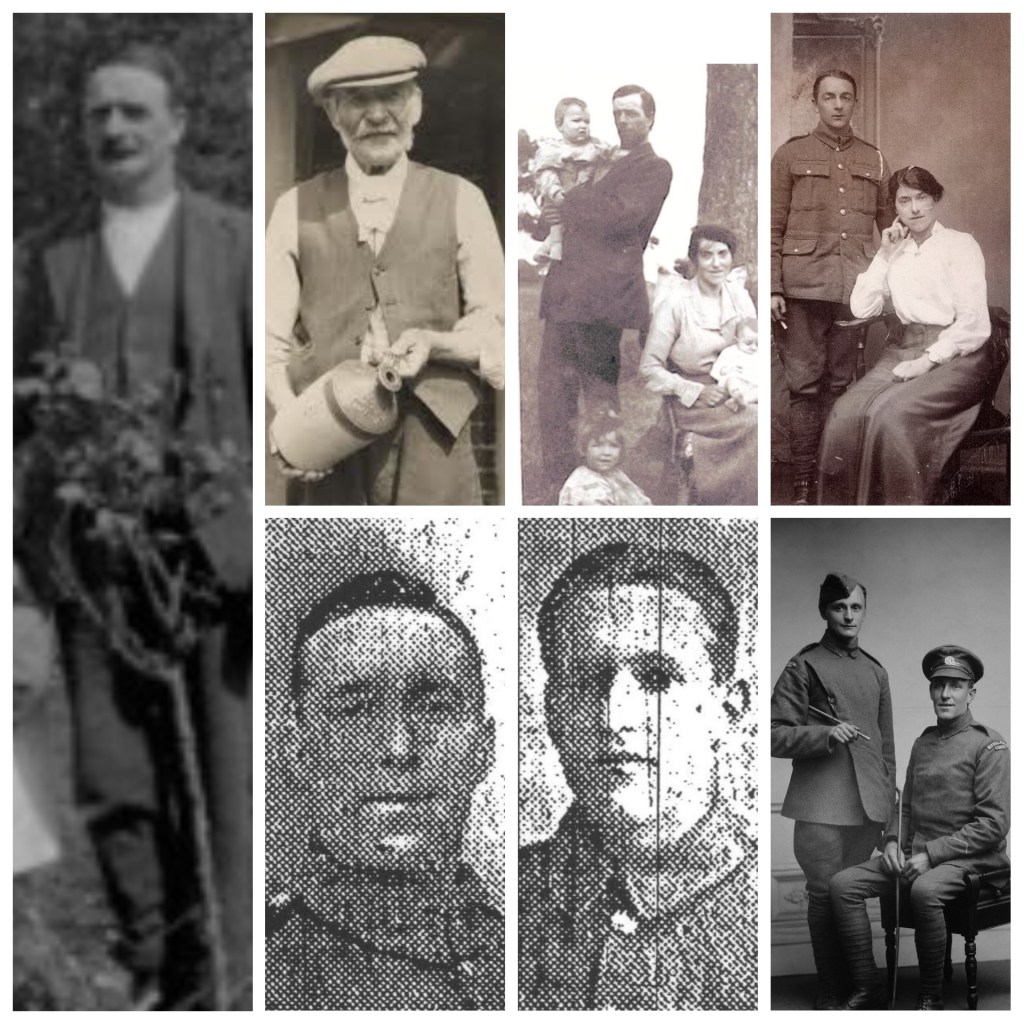
If I tell you that my maternal great grandfather was Ben Saunders, and that he only had that surname because his mother was born out of wedlock, so kept his mother’s maiden name and not the Burlingham surname of her father, you’ll understand why my head spins when it comes to writing about parts of my family history! My great grandfather was raised as a Burlingham by his grandparents, as his mother was unmarried and his father was unknown, but he had to be reminded of his birth surname before he married – hence Saunders being the family name on my side of the tree thence forward.
Still with me?
The fact that the Burlingham surname also features on both sides of my tree going back around seven generations adds extra complications, especially when I seem to have collected a good number of ‘illegitimate’ ancestors….
‘Normal for Norfolk’ etc!
So, if I’ve not confused you completely already, this blog is about my maternal line.
I’ve written about Ben and a couple of his Saunders cousins previously in one of my earliest blogs. Ben served with the Royal Artillery in Salonika. Cousins Arthur and John served with the Royal Artillery and Norfolk Regiment respectively, and by quirk of fate died on the same day in April 1917. You can read all about them here:
For this blog, I thought I’d sweep through the history of some of the other maternal Burlingham uncles and cousins yet to get a mention in my family tales, although this is more of a cataloguing exercise than a deep dive into their war service.
Let’s start with uncles to Ben Saunders (Burlingham!!).
“First cousin, three times removed.”
Francis Burlingham and Family
Originating from Snetterton, I begin with Francis Burlingham and family
Francis and Mary Burlingham were living at Shropham at the outbreak of war in 1914, and had three sons who would go on to serve; William, Robert and Frederick.
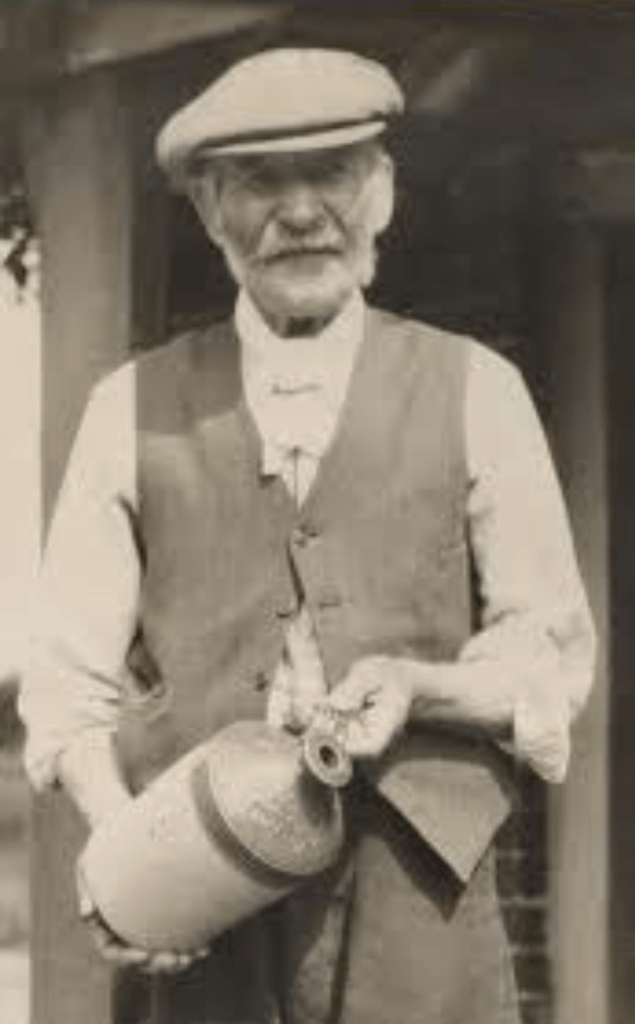
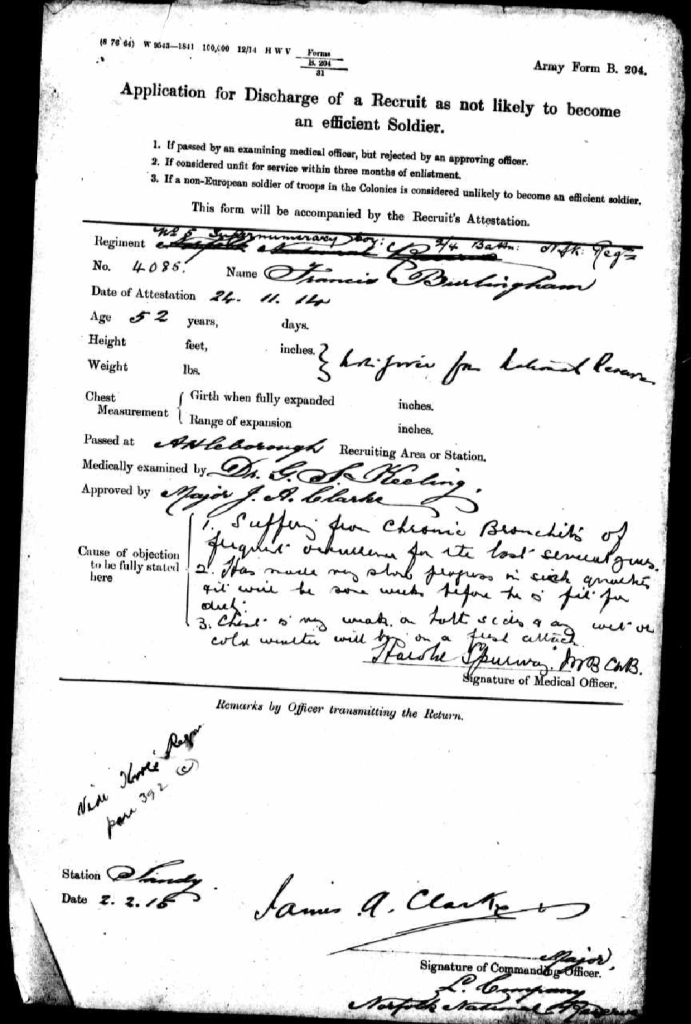
However, Francis no stranger to the military. He was 52 when he was recruited as Private 4085 and considered fit for service with the National Reserve. It looks like he’d seen service with the 1st Norfolks before the war when he signed up on 24th November 1914. However, chronic bronchitis saw an end to his service with the 2/4th Norfolks, and he was discharged as unfit just a couple of months later in February 1915.
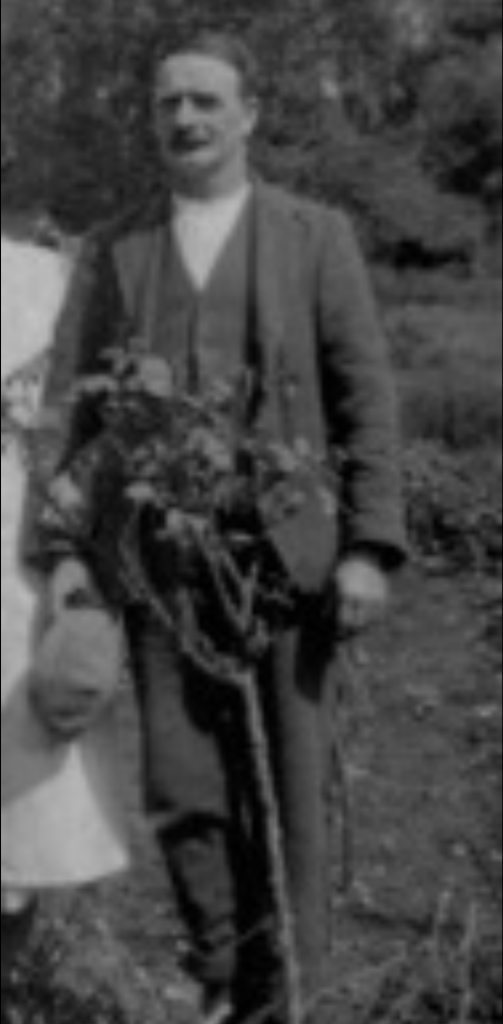
William Burlingham
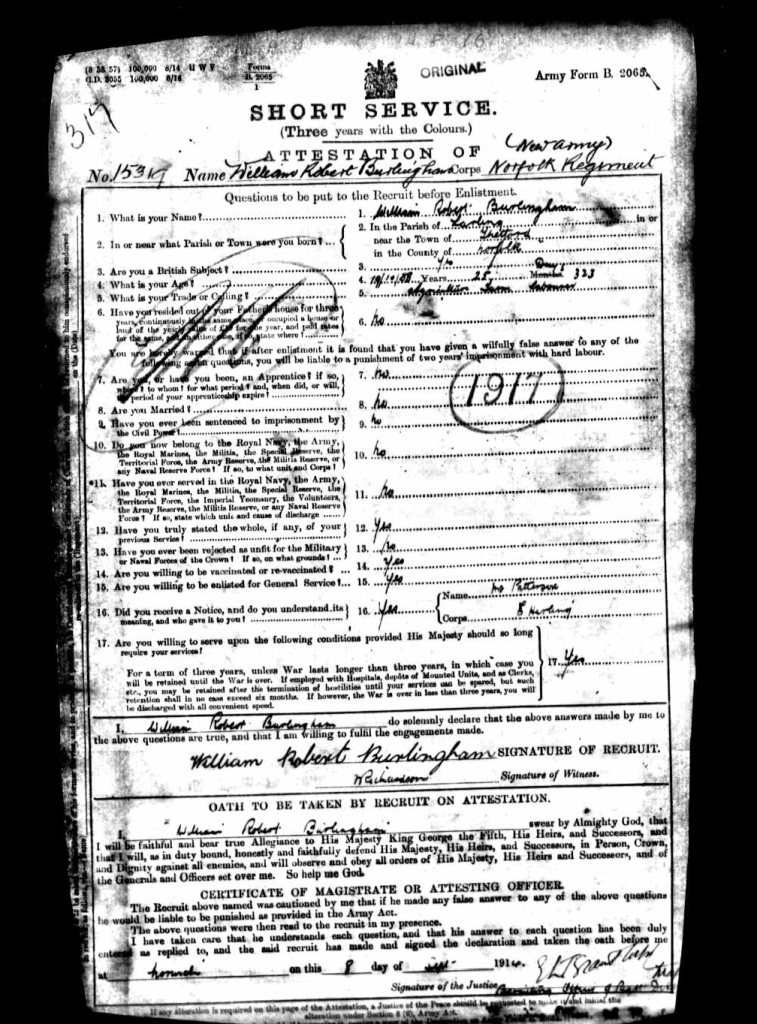
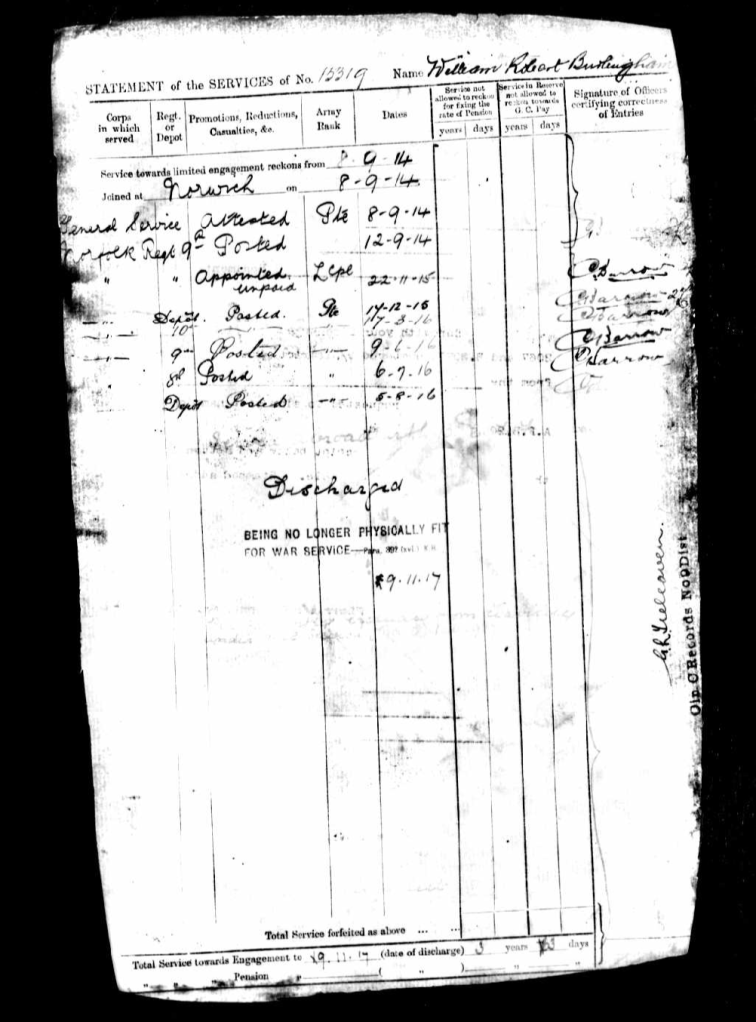
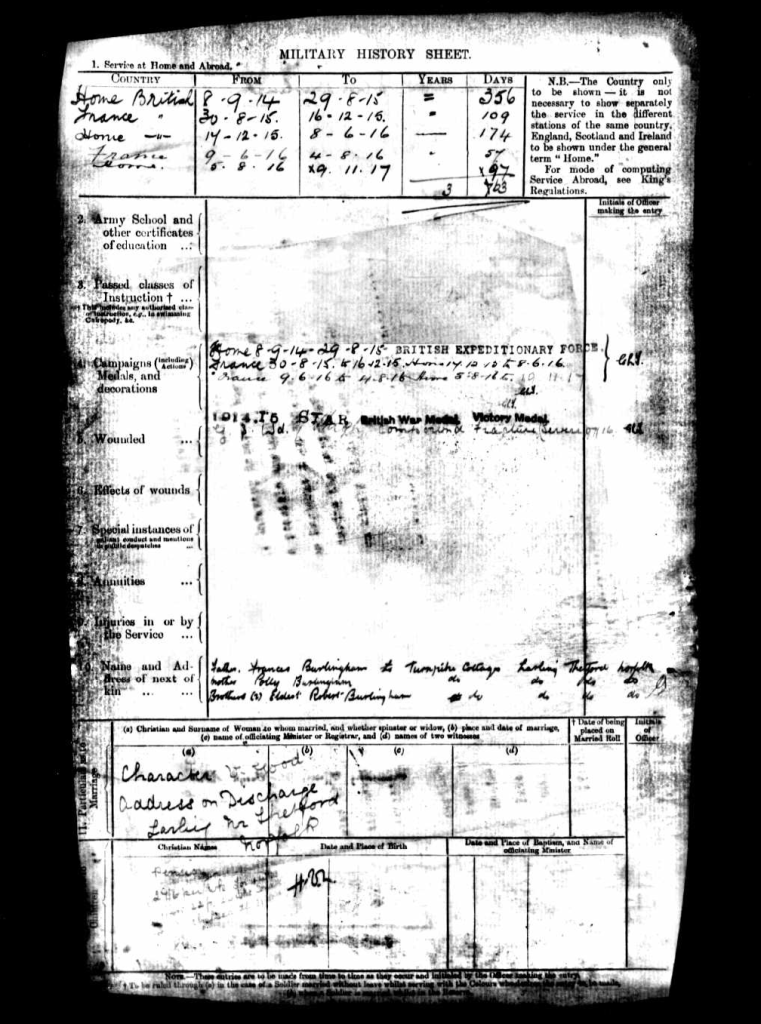
His son William Robert Burlingham, however, had beaten him to it and enlisted with the Norfolks in the September of 1914. William lived at Turnpike Cottages at Larling and was born in 1888.
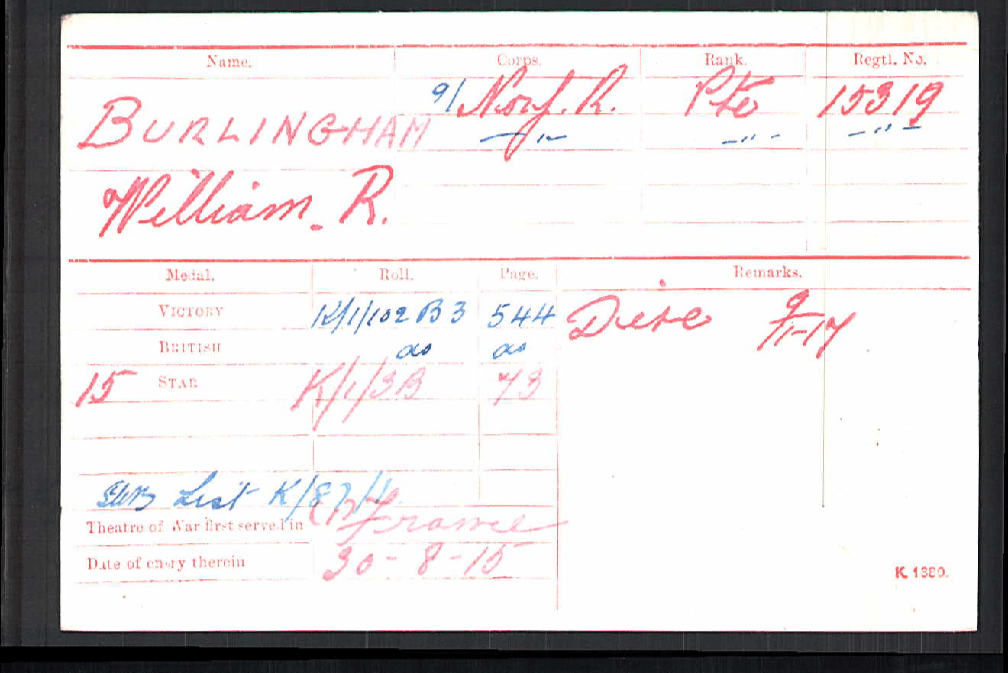
Enlisted as Private 15319 with the 9th Norfolks, he was in France from the end of August 1915, he remained with the 9th and was appointed Lance Corporal on 22nd November 1915. He was back at the Depot in December 1915 before joining the 10th Battalion briefly in March 1916, then back to the 9th Norfolks on 9th June.
On 6th July he was posted to the 8th Battalion, just before their involvement in the attack on Delville Wood on July 19th. The 8th had taken heavy casualties on July 1st at Montauban, so William was likely drafted as a replacement.
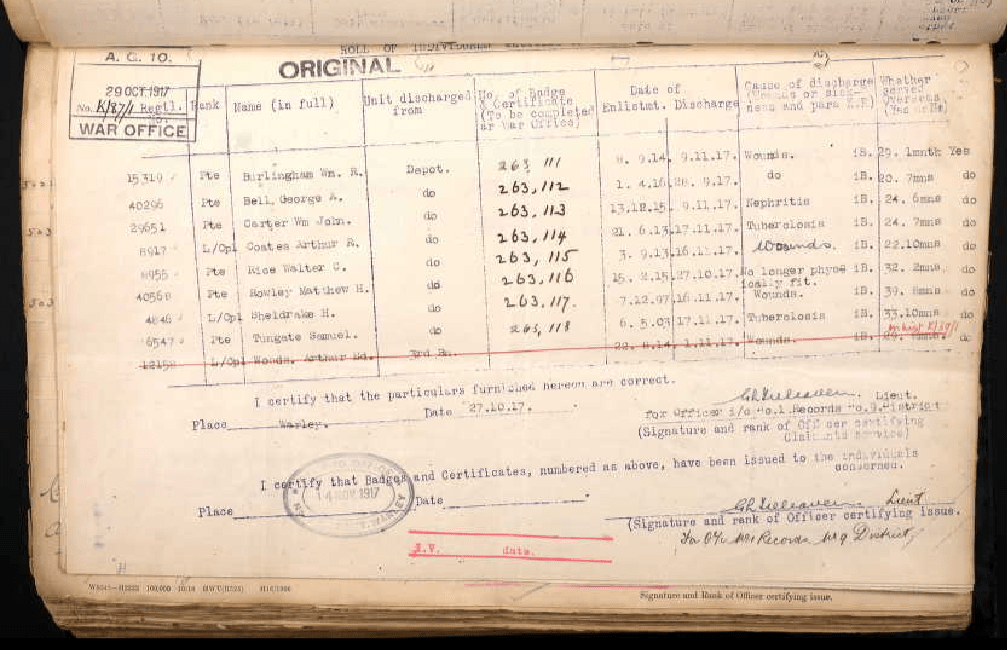
It’s during this famously fierce engagement that William received a compound fracture gunshot wound to his left leg, resulting in amputation and his eventual discharge in 1917. It is said that in later life William rode a bicycle adapted for his wooden leg. He died in 1965.
He holds the 1915 Star along with his Victory Medal and War Medal, and was issued a Silver War Badge for his wounds.
Robert Burlingham
The next son was Robert James Burlingham.
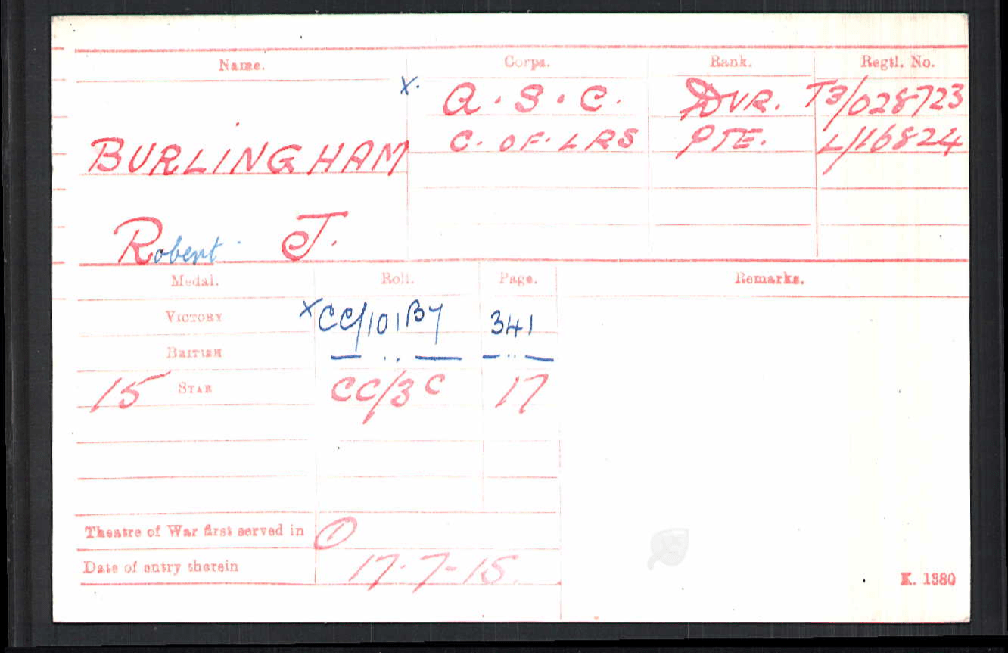
Robert was born in 1890 and although I don’t yet have a precise date of enlistment, his records show he was overseas from July 1915, so would also have joined up early in the war.
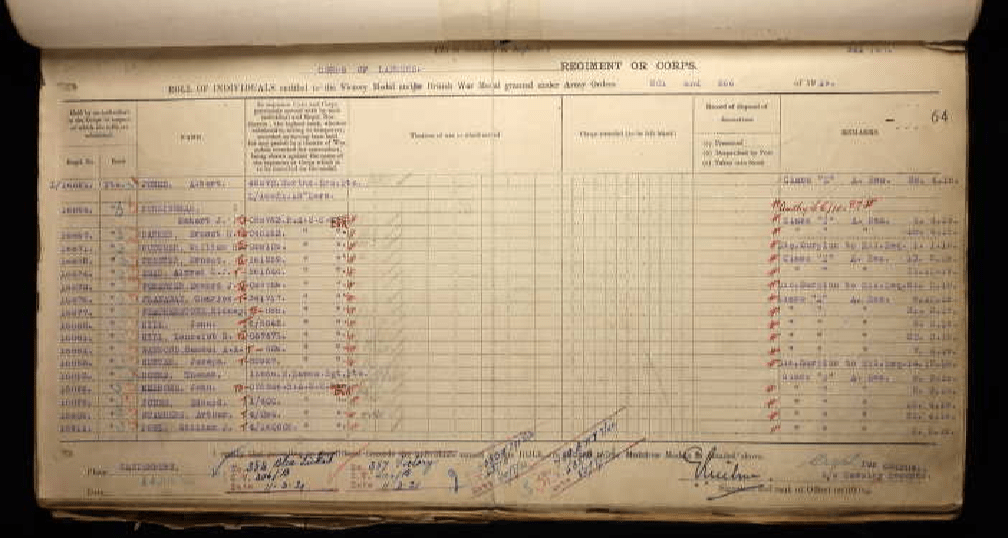
His records show he was Driver T3/028723 with the Army Service Corps before being relisted as Private L/16824 with the Corps of Lancers.
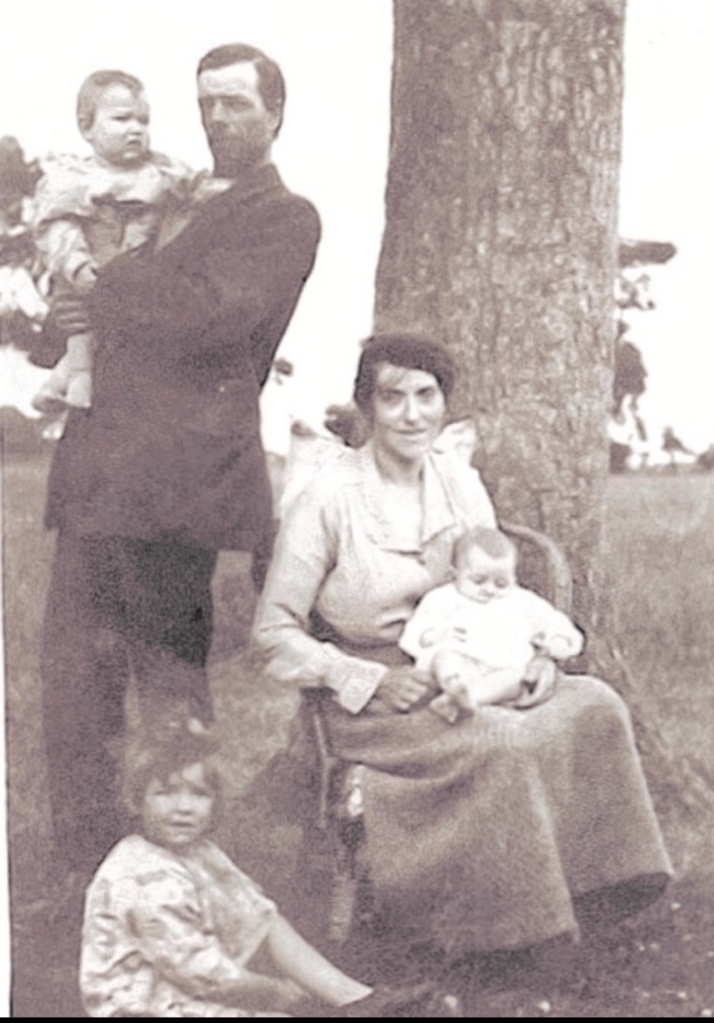
Robert was married to Florence – more of which I will come to in due course. Robert survived the war and died in 1970.
Frederick Burlingham
The final son of Francis Burlingham to serve was Frederick, born 1894.
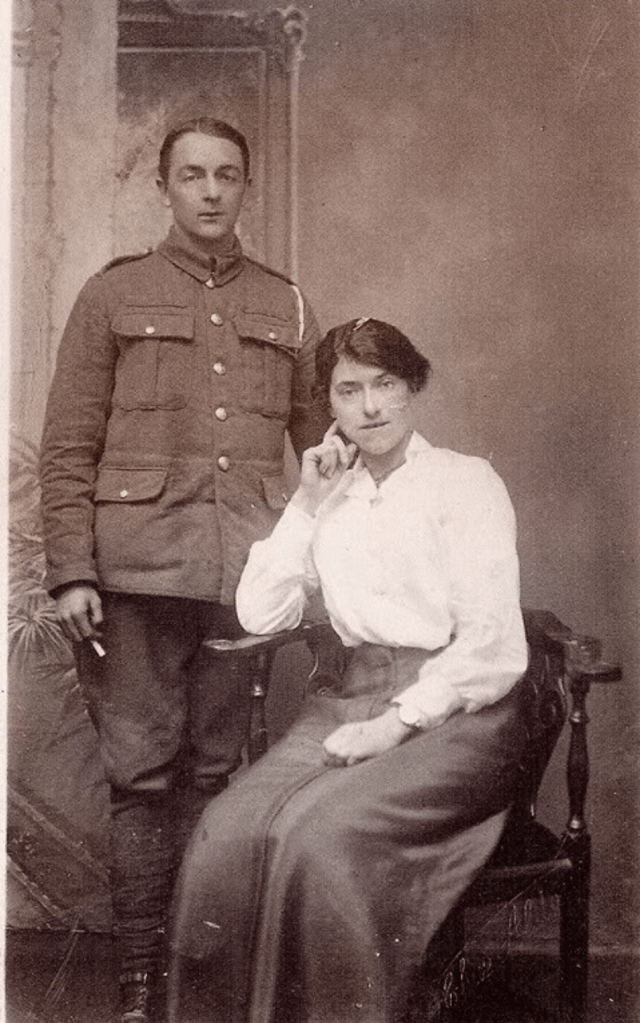
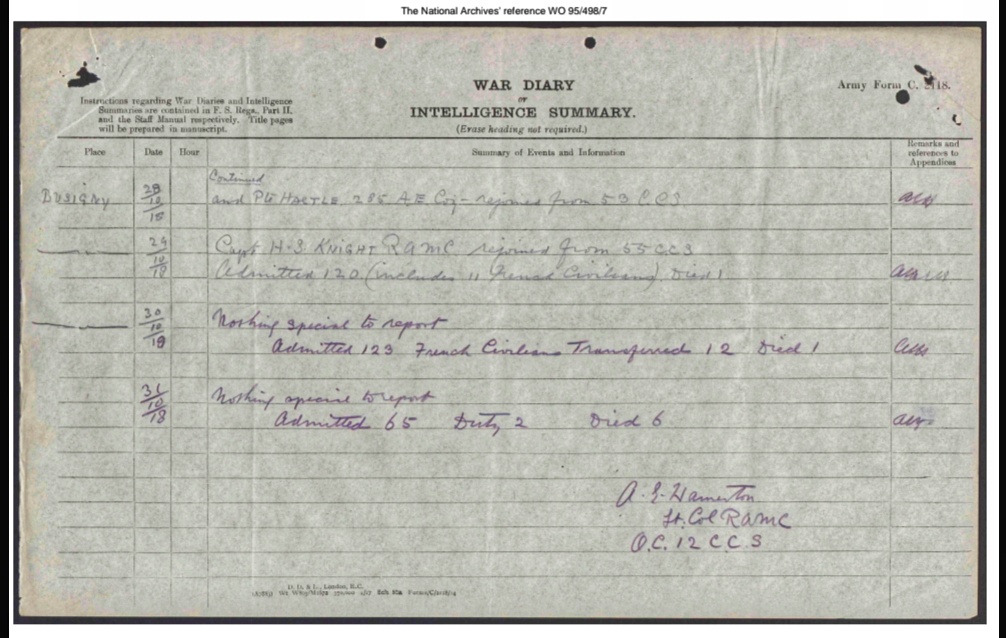
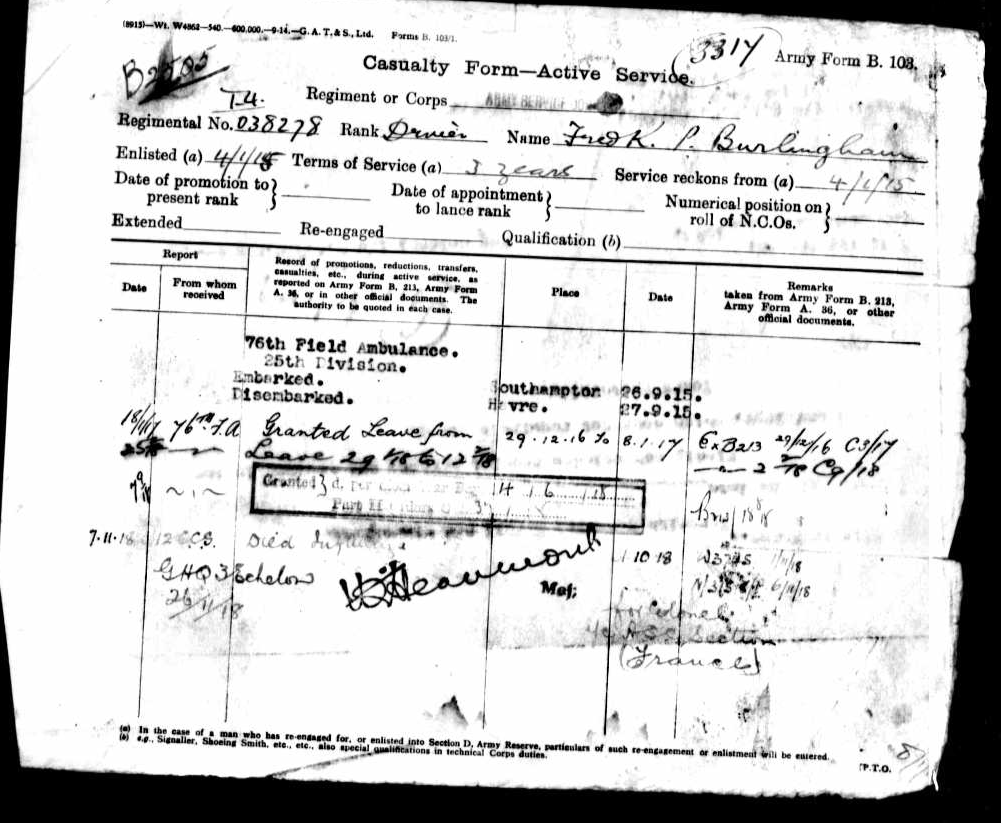
Frederick Percy Burlingham was 21 when he joined the Army Service Corps at Woolwich as Driver T4/038278 in January 1915. He was in France from September 27th 1915 and attached to the 76th Field Ambulance, Royal Army Medical Corps. I know nothing about his war, but 76 FA were attached to the 25th Infantry Division throughout, apart from three weeks in September 1918 when attached to the 9th (Scottish) Division.
Fred would have had an active war with the 25th, both on the Somme and Ypres sectors, and was involved in the final advance through Picardy and the Battle of the Selle.
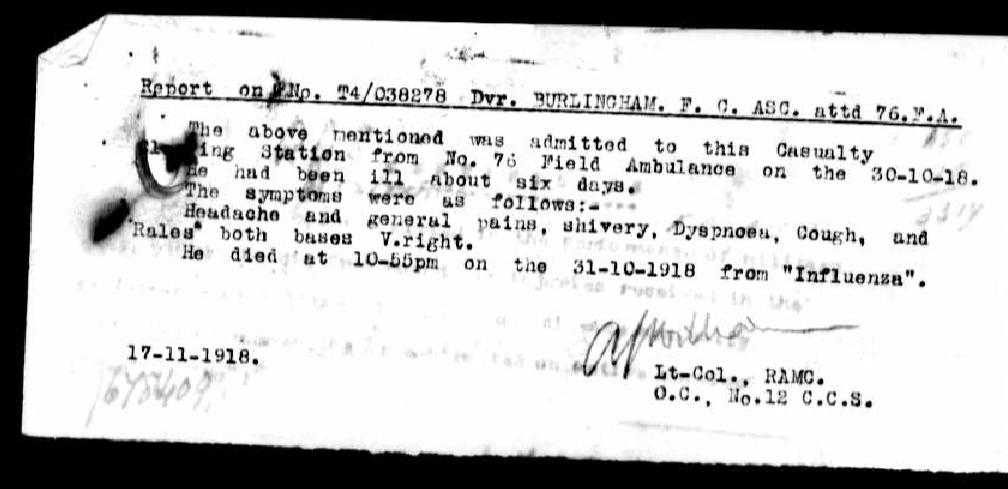
Sadly, Frederick succumbed to the ‘Spanish’ flu pandemic at 12 Casualty Clearing Station at 10.55pm on October 31st 1918, having been unwell for a week, and is buried at Busigny. His fiancée, Florence Denham, went on to marry his brother Robert, as pictured earlier.
Robert Burlingham and Family
Robert and Elizabeth Burlingham are the other uncle and aunt of my great grandfather, and again originate from New Cottages, Mill Common at Snetterton. They had five sons who served:
Francis Burlingham
Jeremiah Burlingham
Samuel Burlingham
Herbert Burlingham
Henry Burlingham
Francis Burlingham
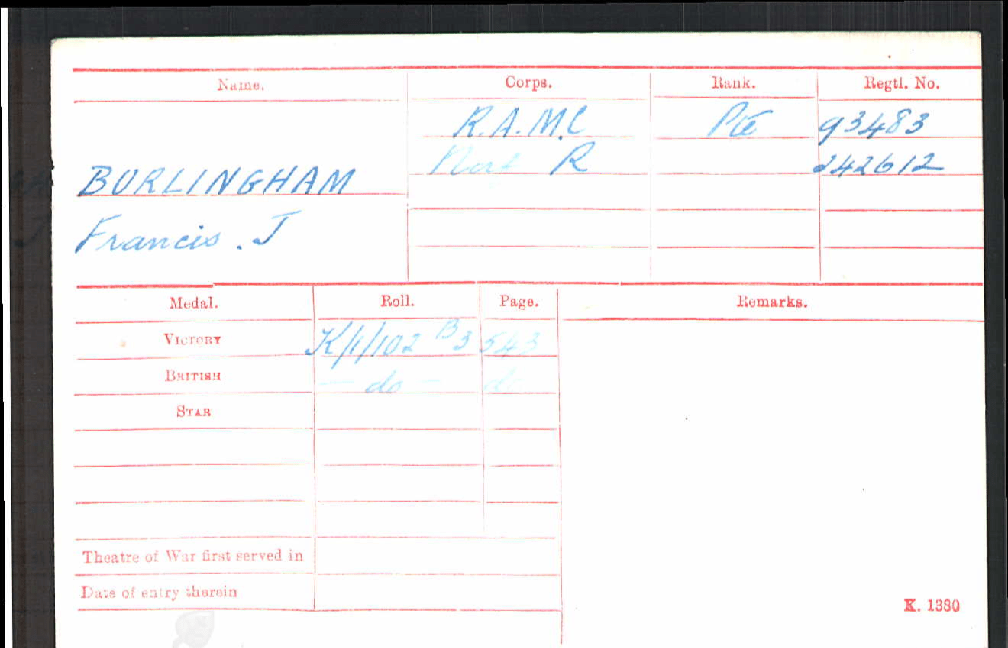
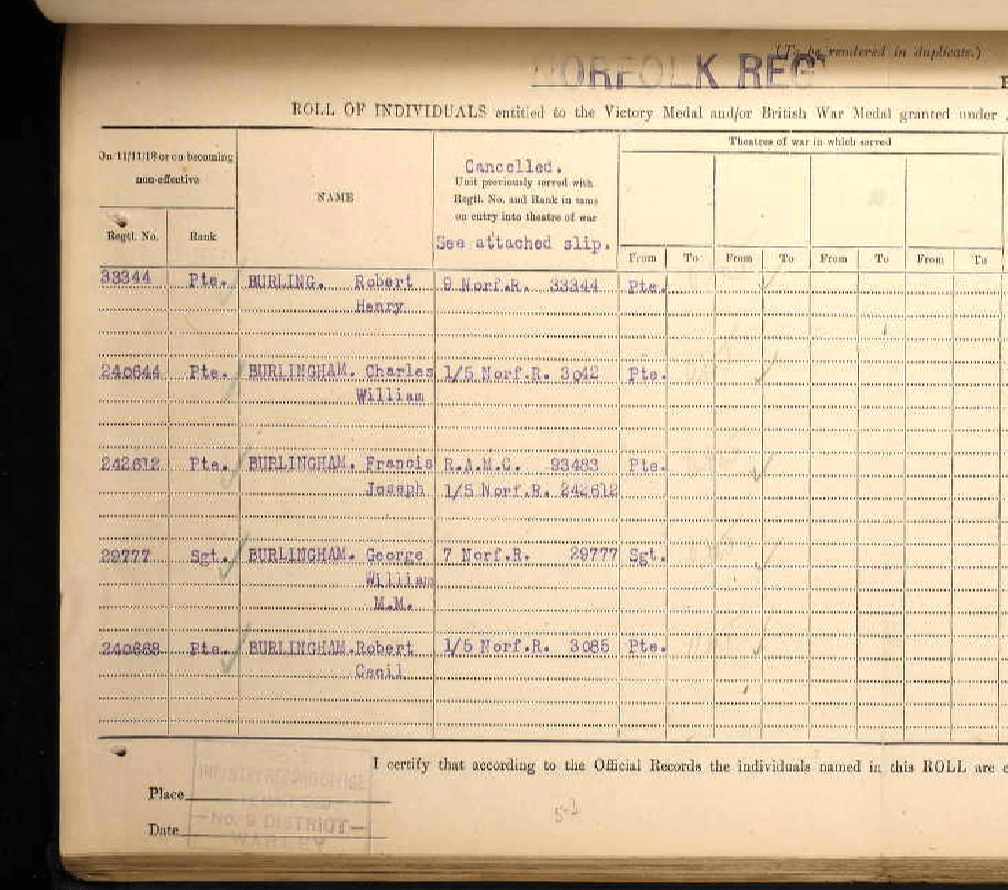
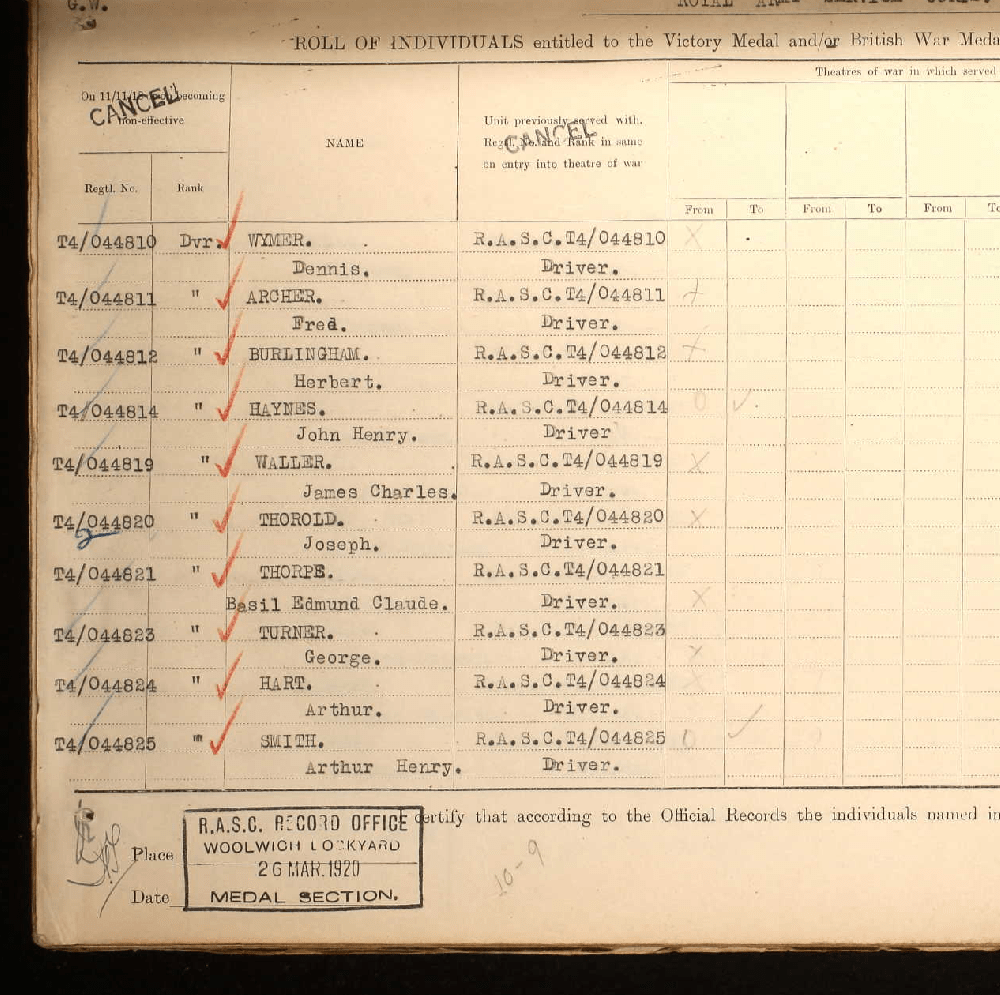
I don’t have a picture of Francis Joseph Burlingham, born 1884. Frank served with the Royal Army Medical Corps and 1/5th Battalion Norfolk Regiment. By a quirk of coincidence, he is listed on the Norfolk Regiment medal roll next to my paternal Great grandfather George Burlingham.
Frank survived the war and died in 1955.
Jeremiah Burlingham
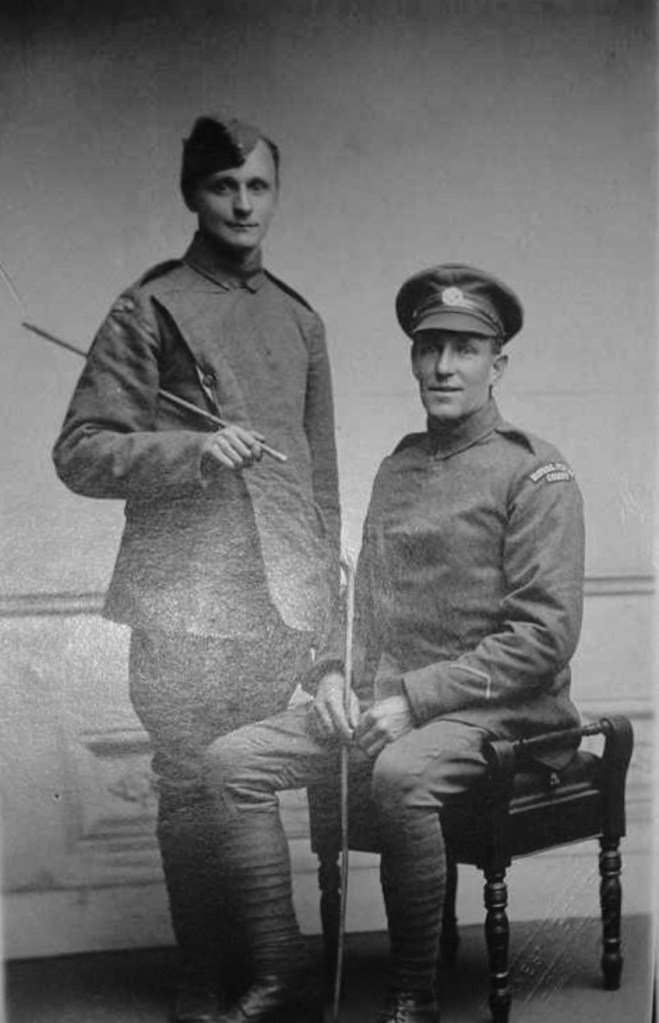
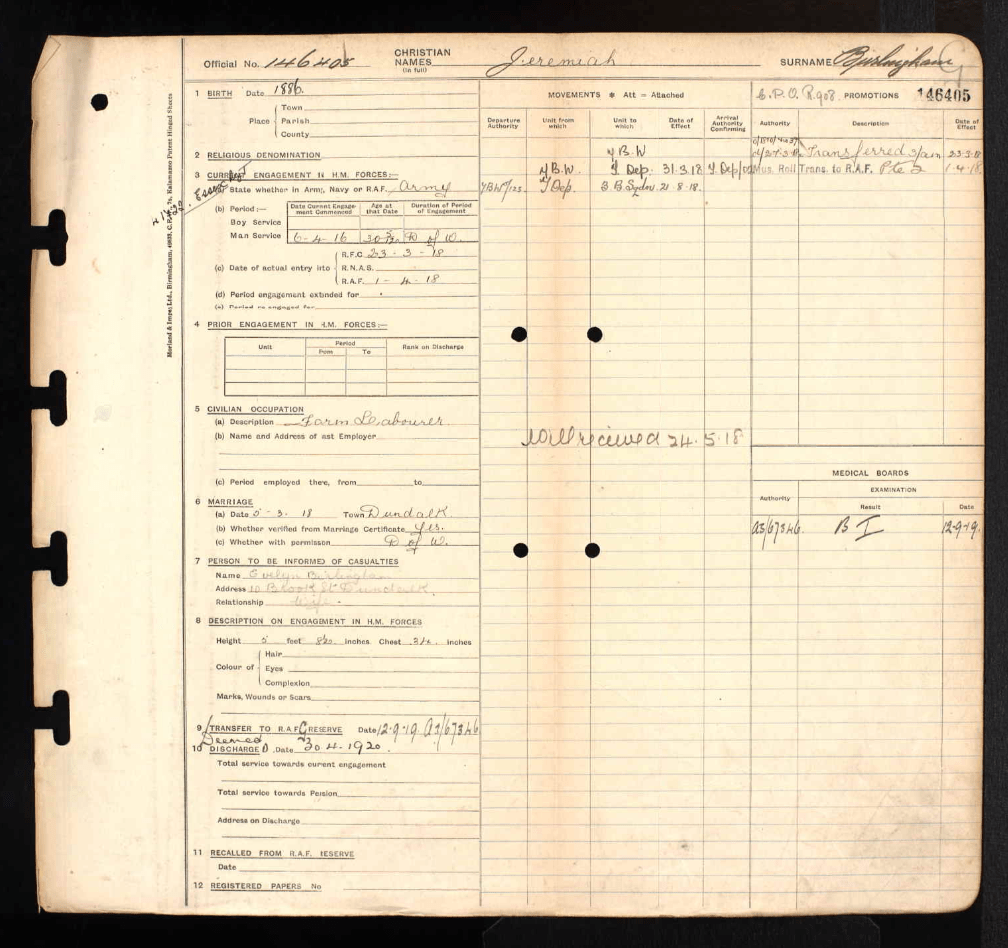
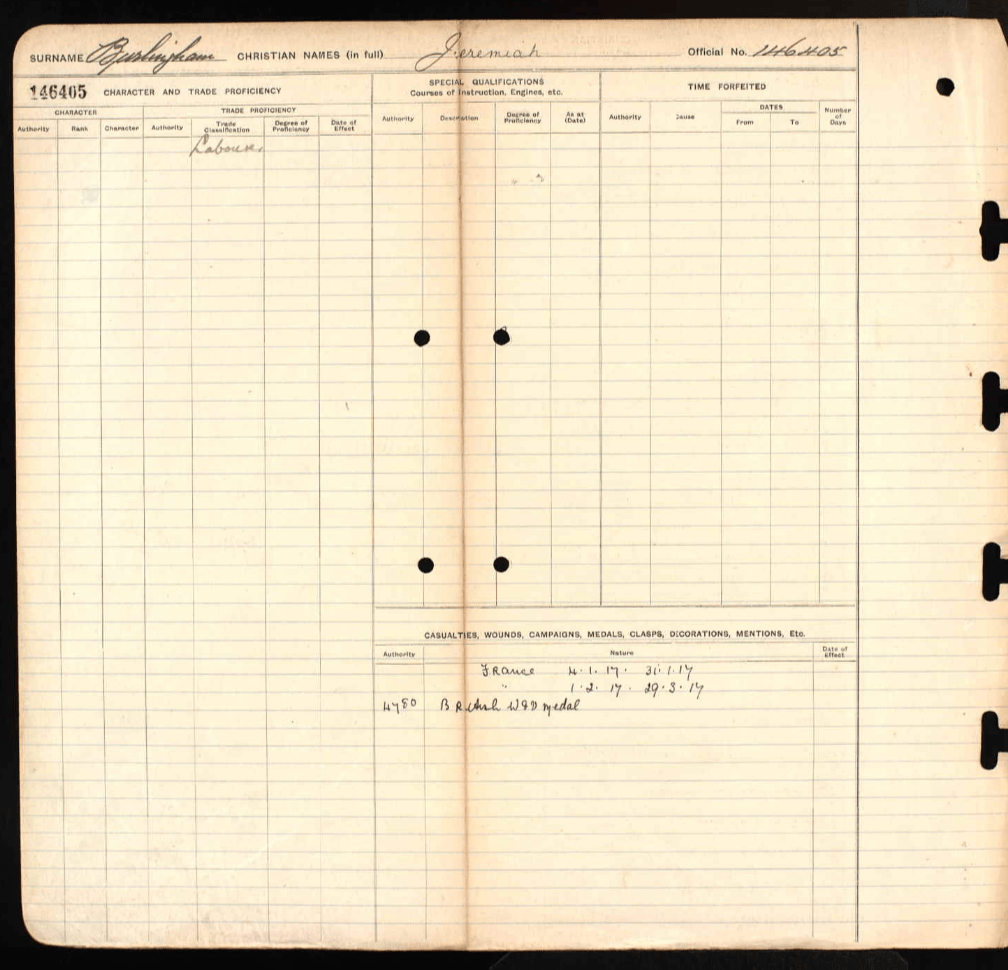
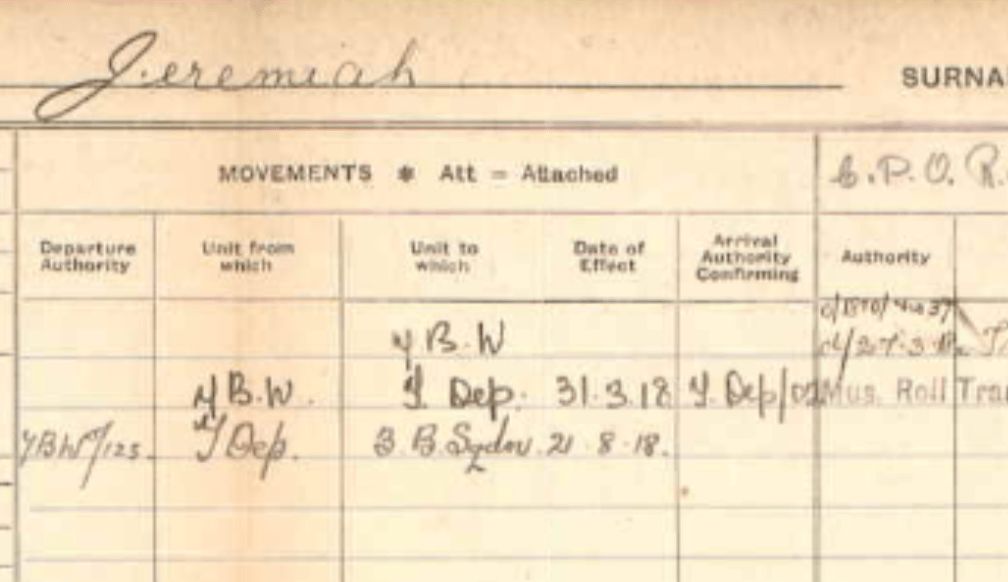
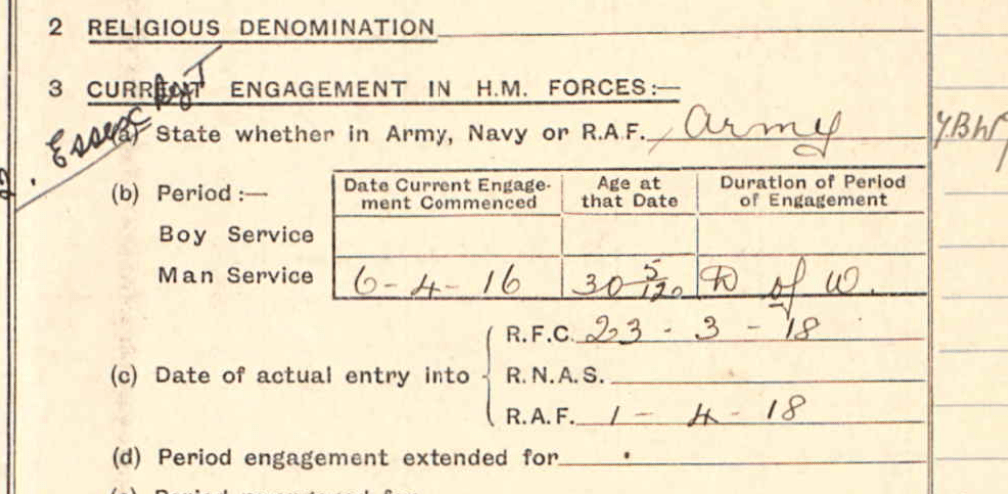
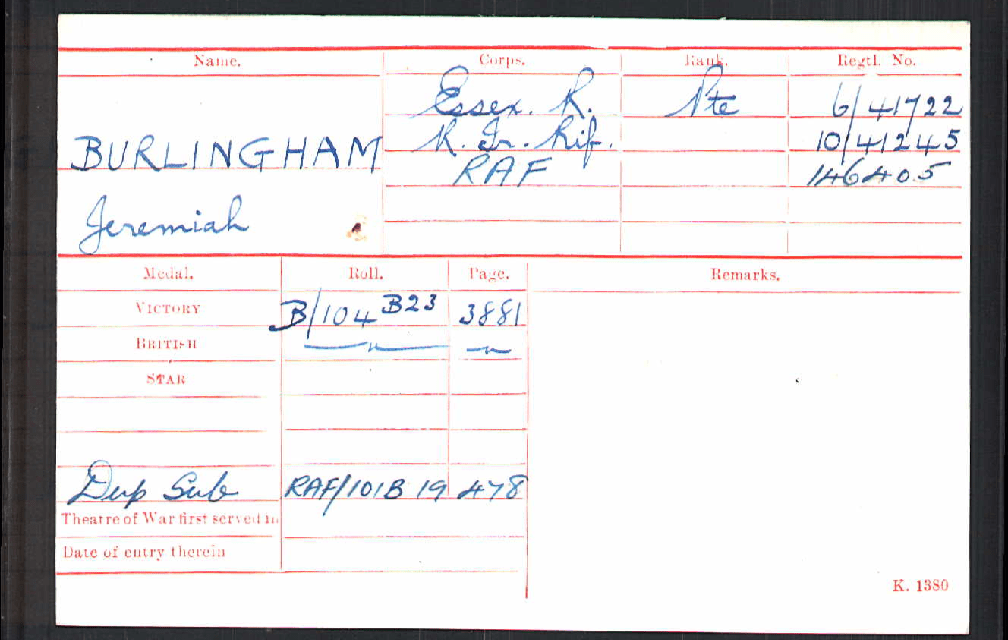
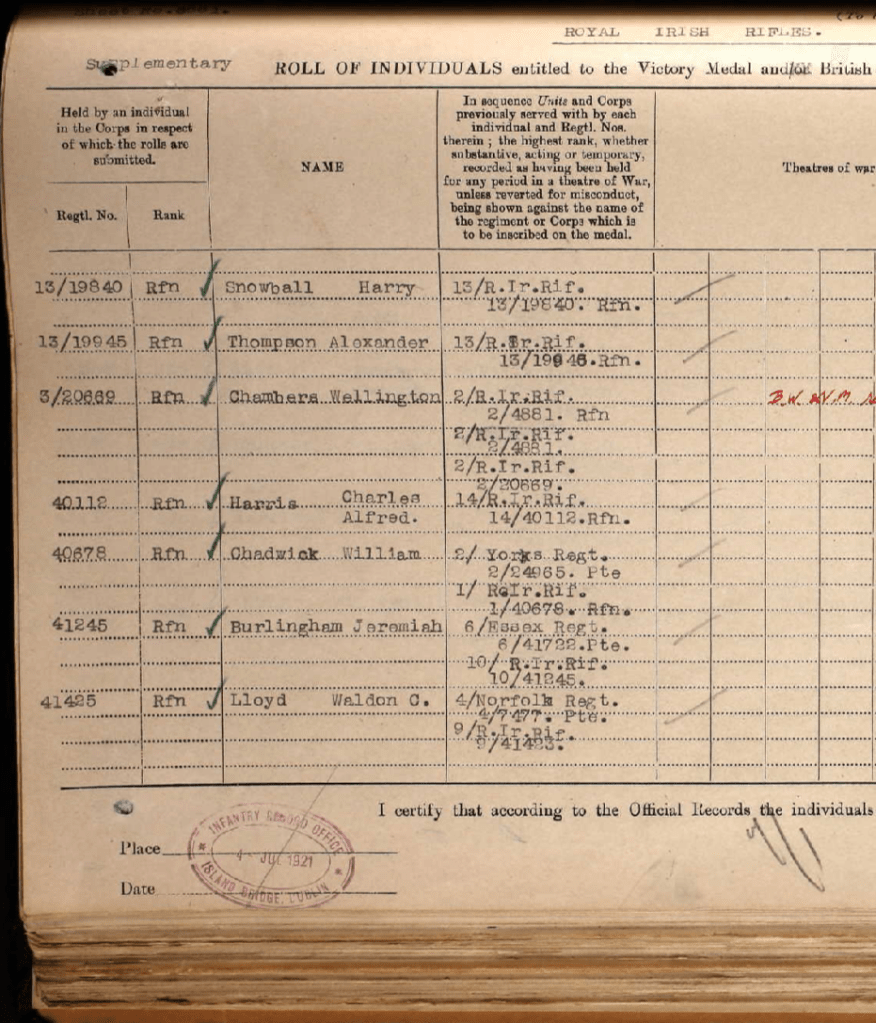
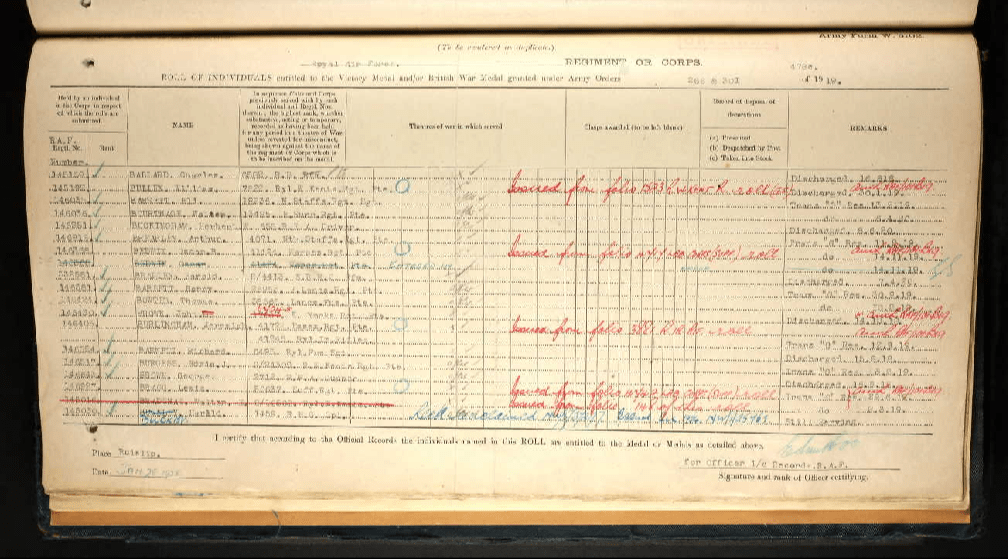
Jeremiah Burlingham was born in 1885 and served with the 6th Battalion, Essex Regiment, 10th Royal Irish Rifles and the Royal Flying Corps/RAF.
I don’t have any details of his war, but he joined the RFC in March 1918, about a week before it became the Royal Air Force. His picture above shows his RFC cap badge and RFC shoulder titles. His records place him with 3 Squadron at the end of August 1918.
He survived the war and had a career on the railways in Ireland, living until 1960.
Samuel Burlingham
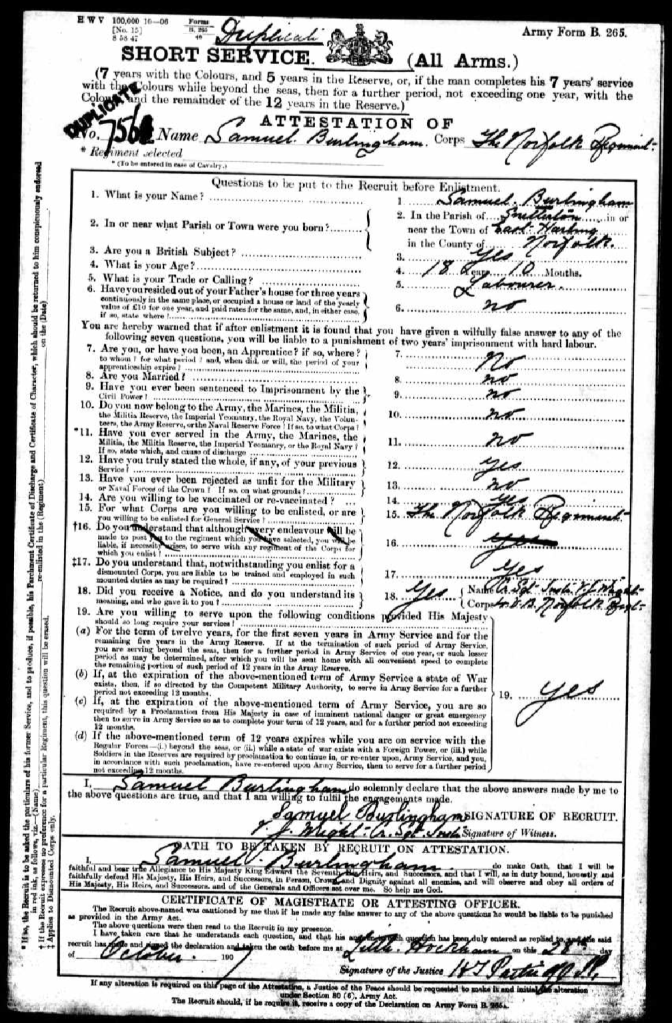
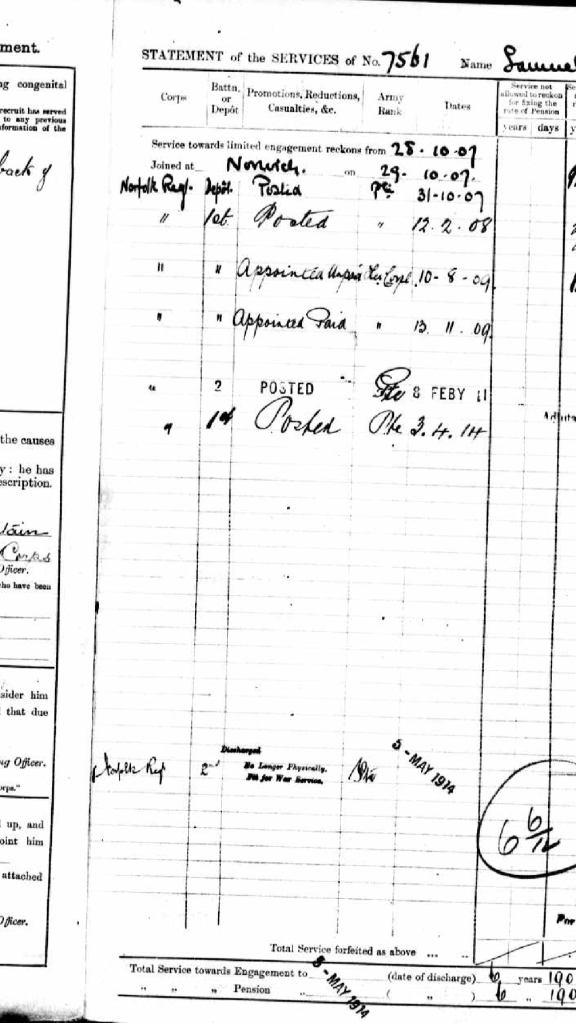
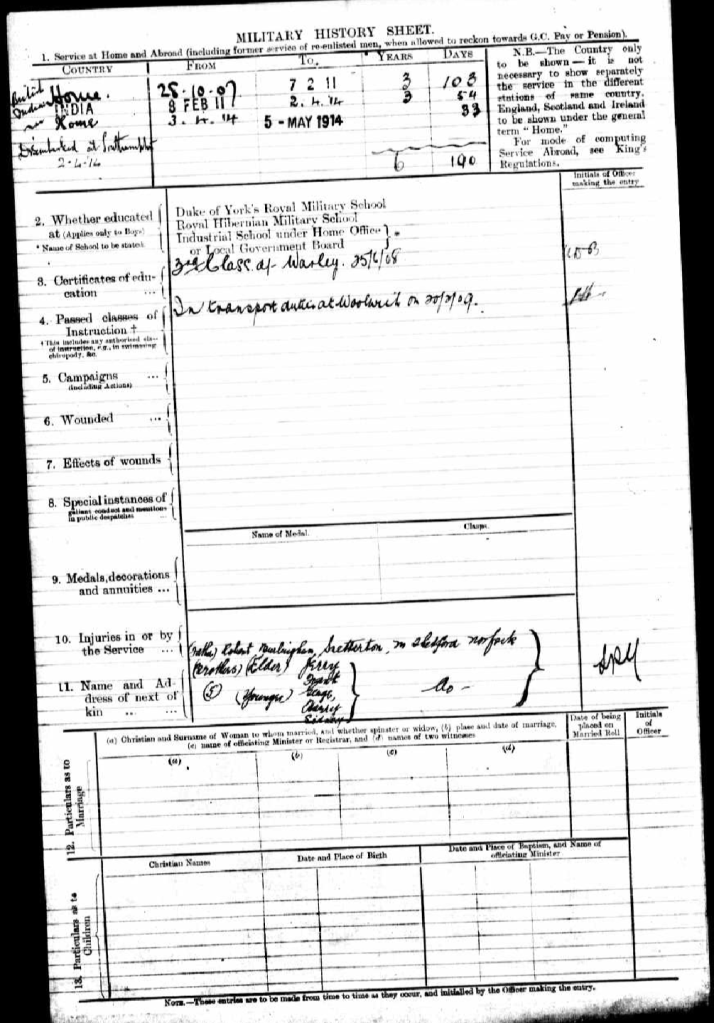
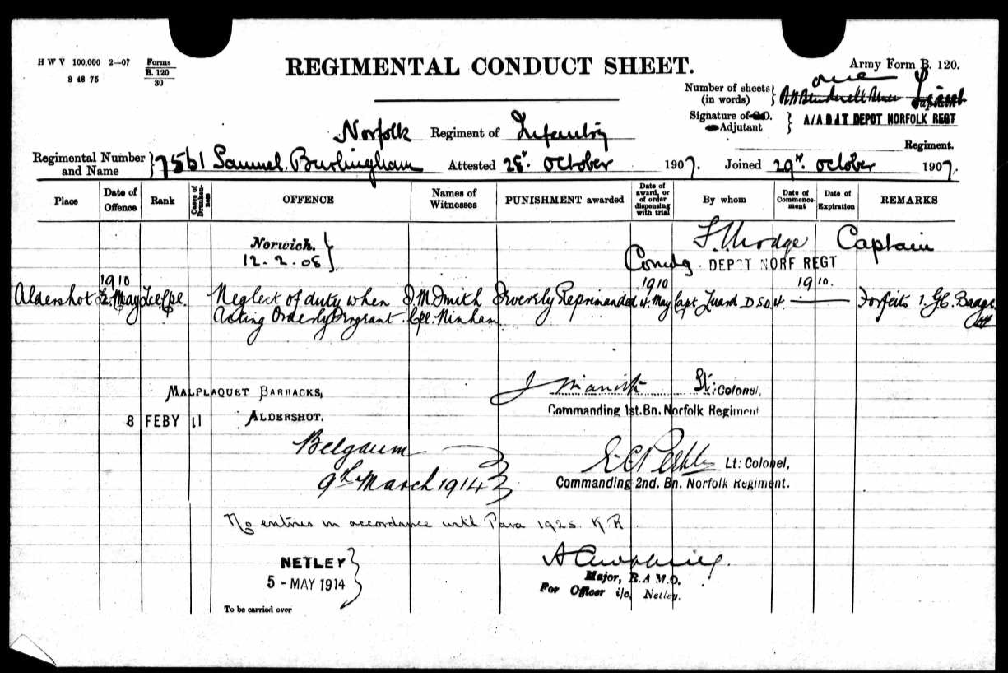
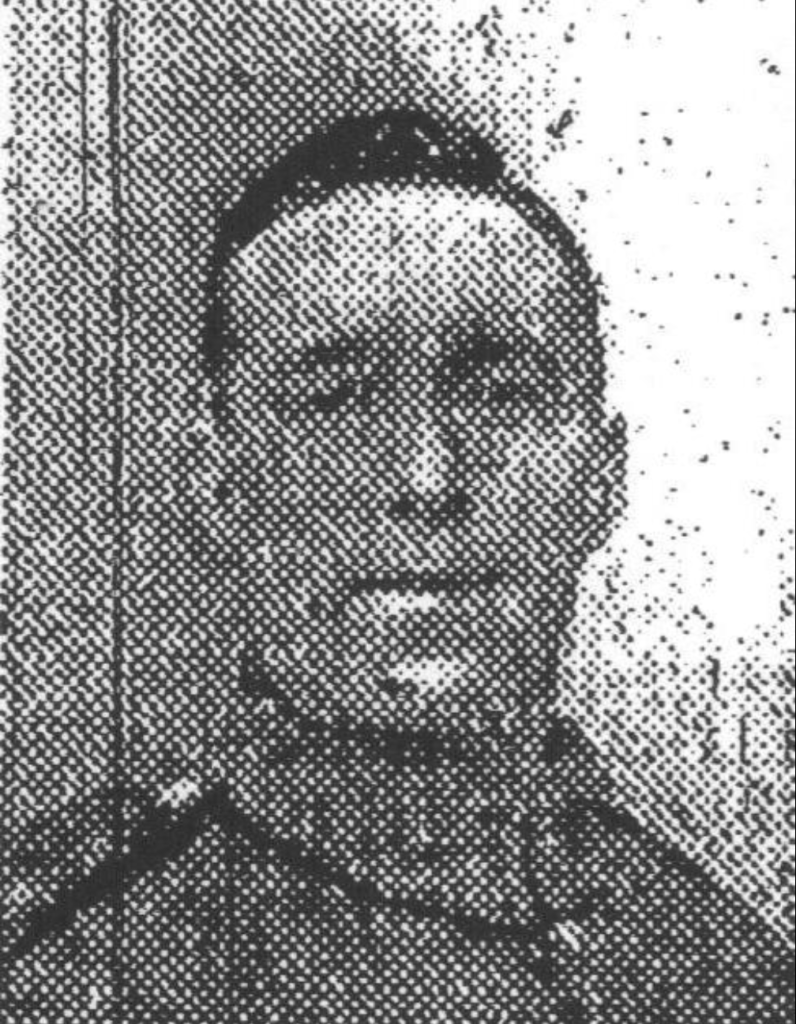
The next cousin on the list is Samuel Burlingham. Samuel was actually a prewar soldier enlisting in the Norfolk Regiment in 1907. Private 4561 Burlingham saw service with the 1st and 2nd Battalions, including time in India. After a scrape with the authorities for ‘neglect’ his service ended in May 1914 when he was declared unfit. I don’t have a picture of Samuel and he didn’t serve in the great war. He died in 1966.
Herbert Burlingham
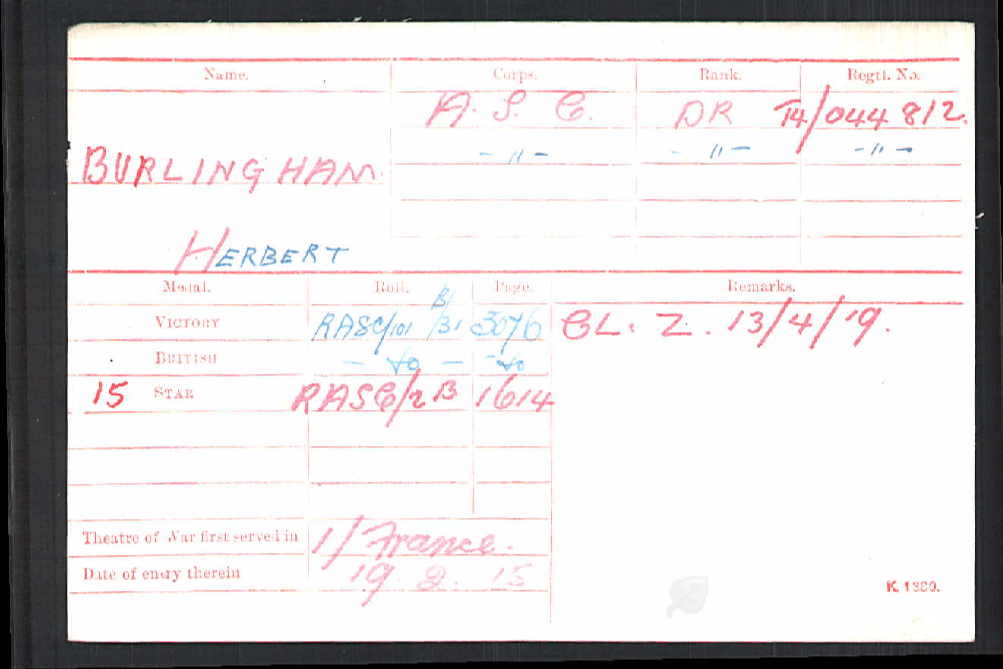
Herbert George Burlingham was born in 1893. His records don’t survive, but it is possible to decipher that he also would have enlisted with the Royal Army Service Corps early in the war. Known as George, he was in France from 19th February 1915 and survived, living until 1973. He holds the WW1 trio.
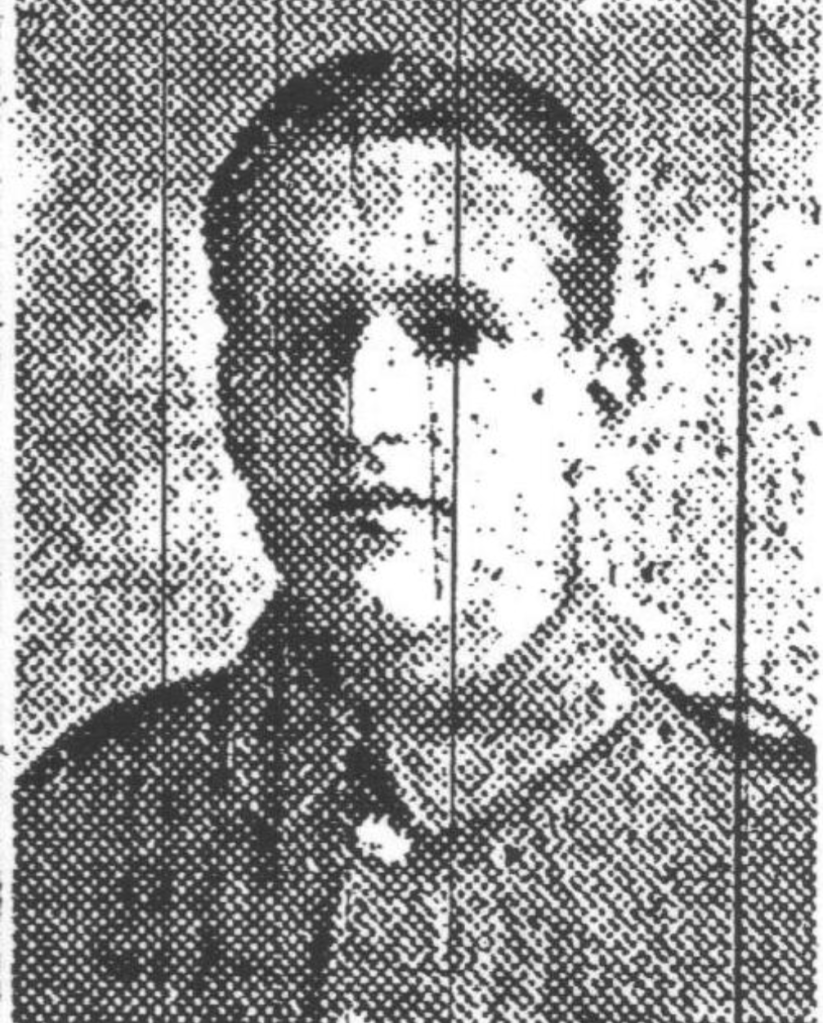
Henry Burlingham
The final son of Robert and Elizabeth Burlingham that I write about is Henry James Burlingham, born on January 7th 1897.
Known as Harry, he served with the 1/6th Battalion The Prince of Wales (North Staffordshire) Regiment.
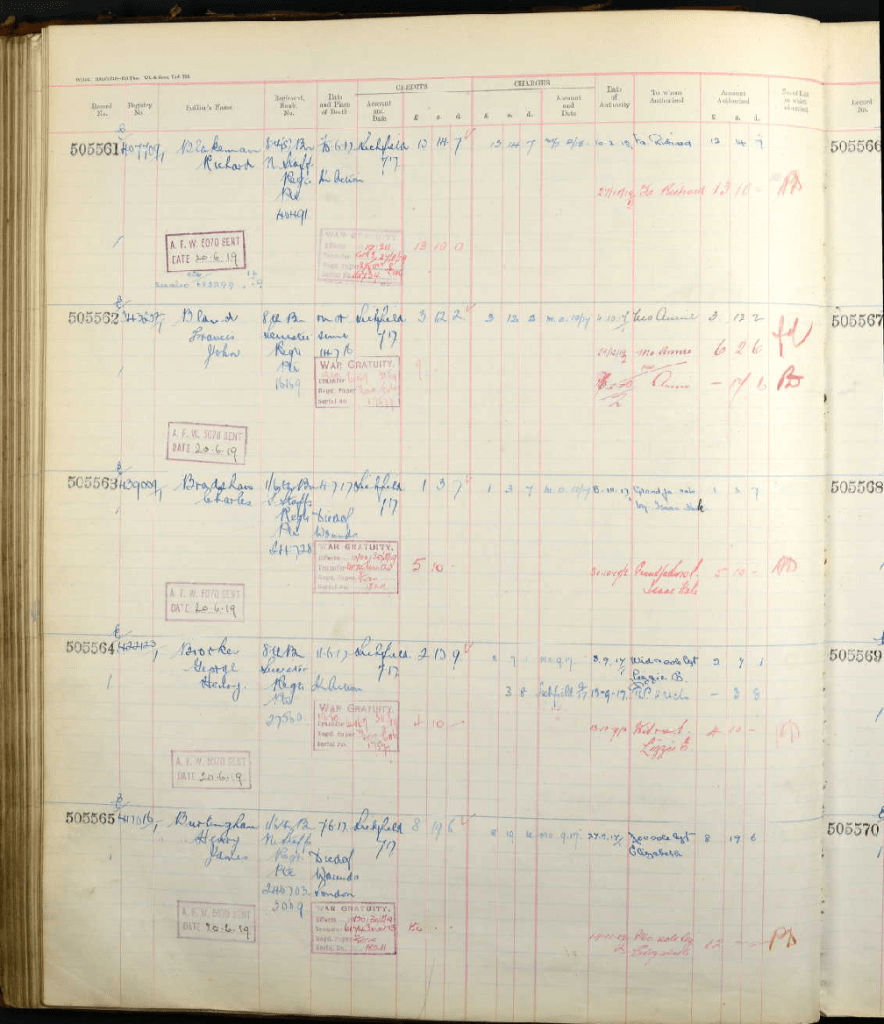
What is known about him is that he died of wounds at St Bartholomew’s Hospital, London, on 7th June 1917.
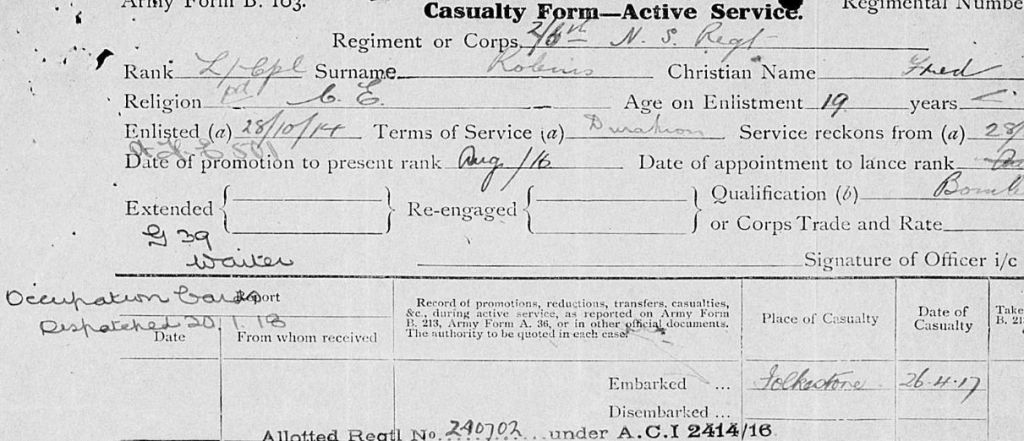
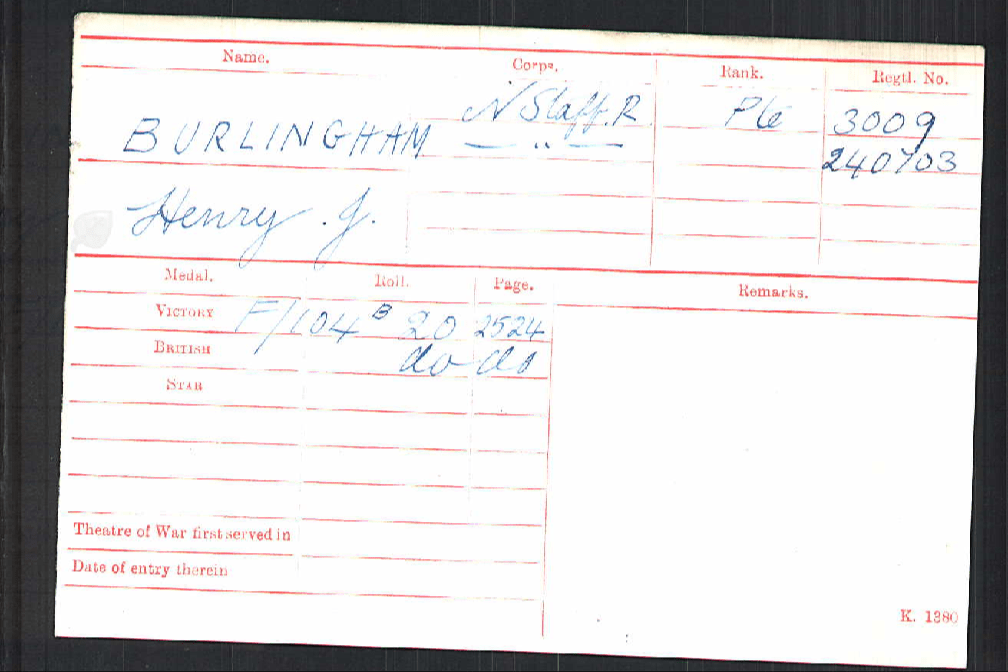
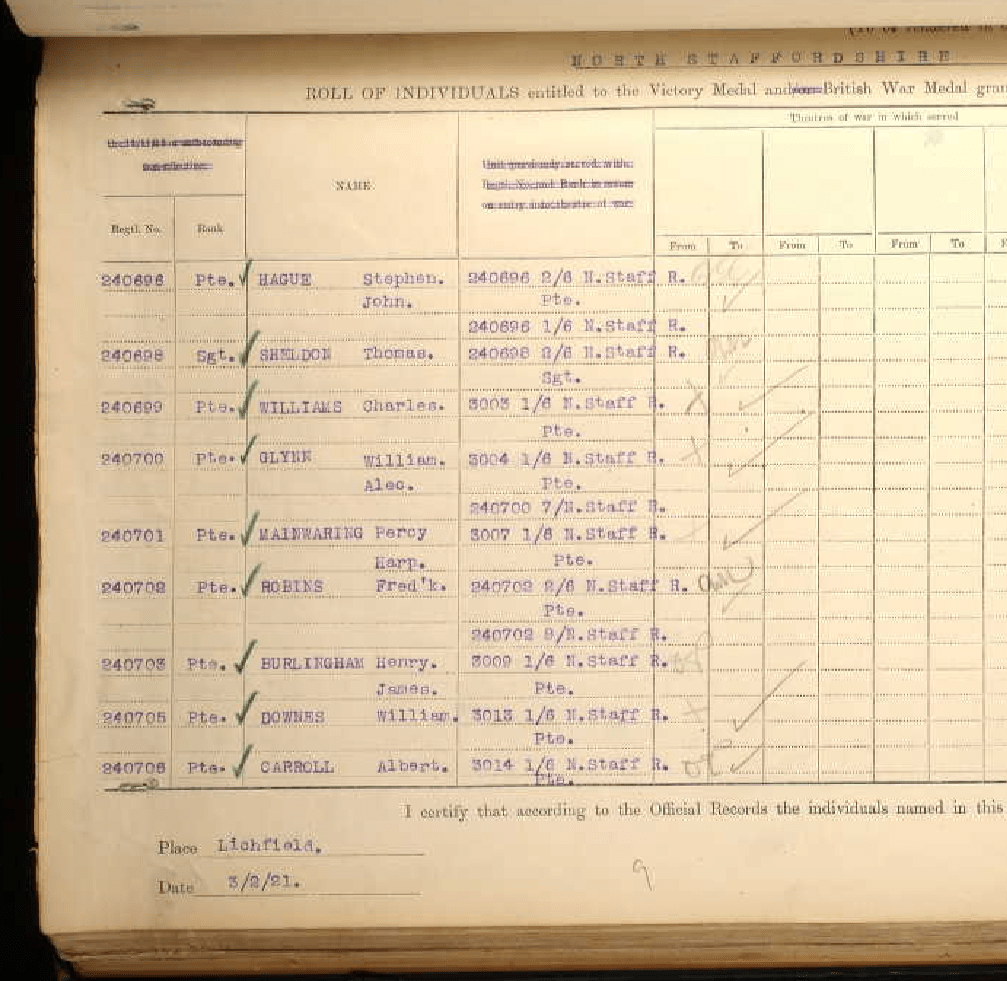
Again full records don’t survive, but Harry enlisted as Private 3009 before being renumbered as 240703 in 1917.
Although his records aren’t there to help, a consecutive numbered man enlisted in October 1914, so it seems Harry was no less keen than the other boys.
A bit of research of their diaries, although not conclusive, suggests to me that Harry would have most likely been wounded in action while his battalion were deployed along the La Souchez river near Lievin in early May of that year. The diary speaks of a number of casualties on 8th and 9th May, and up to the 12th, but again, I can’t confirm if this is when he was wounded. It’s a hunch.
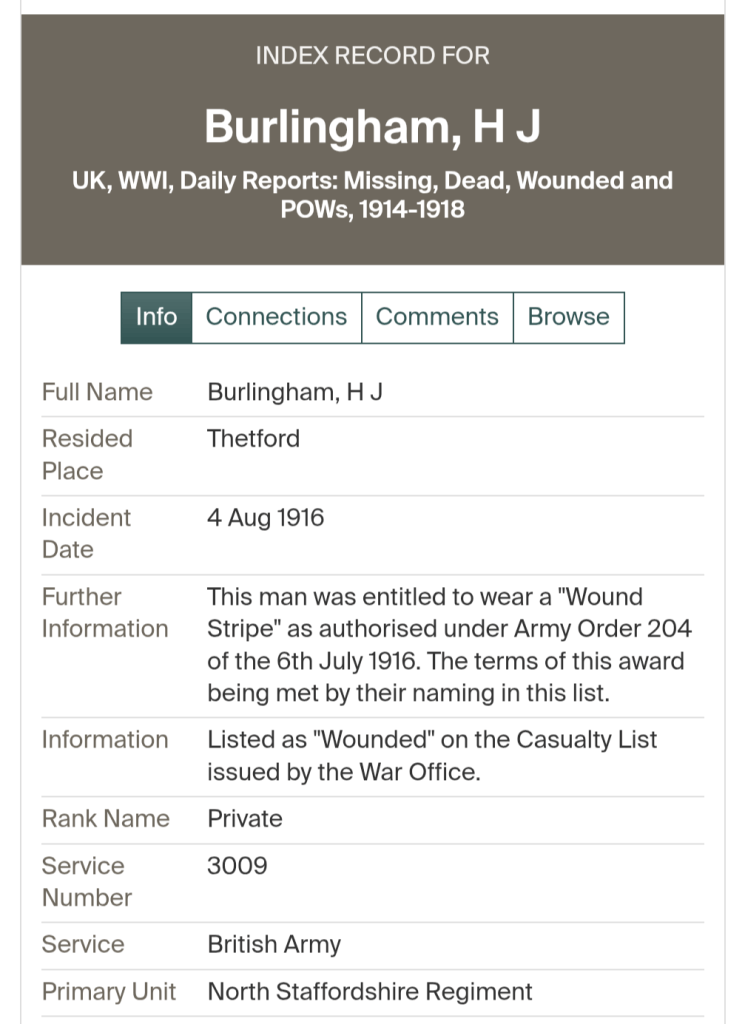
However, he was wounded earlier in August 1916 and awarded a wound stripe, so there’s potential to research that action when I get time.
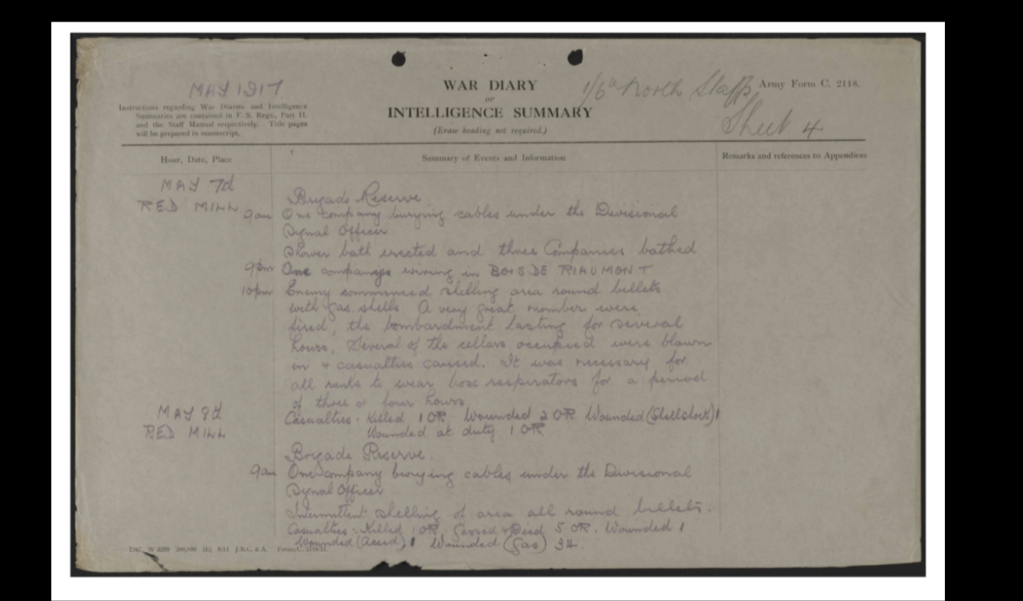
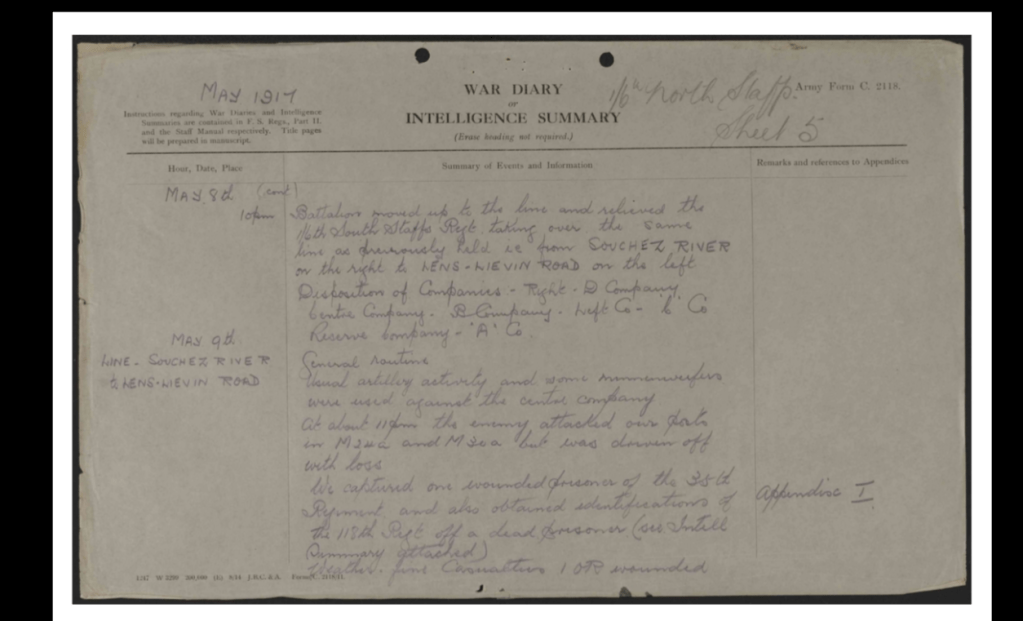
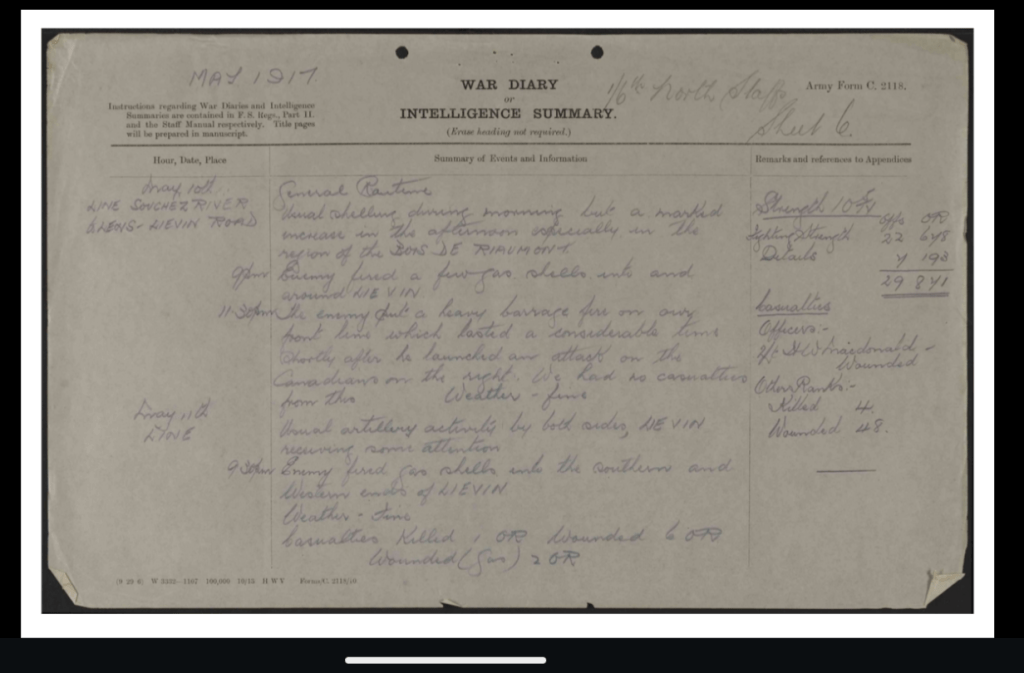
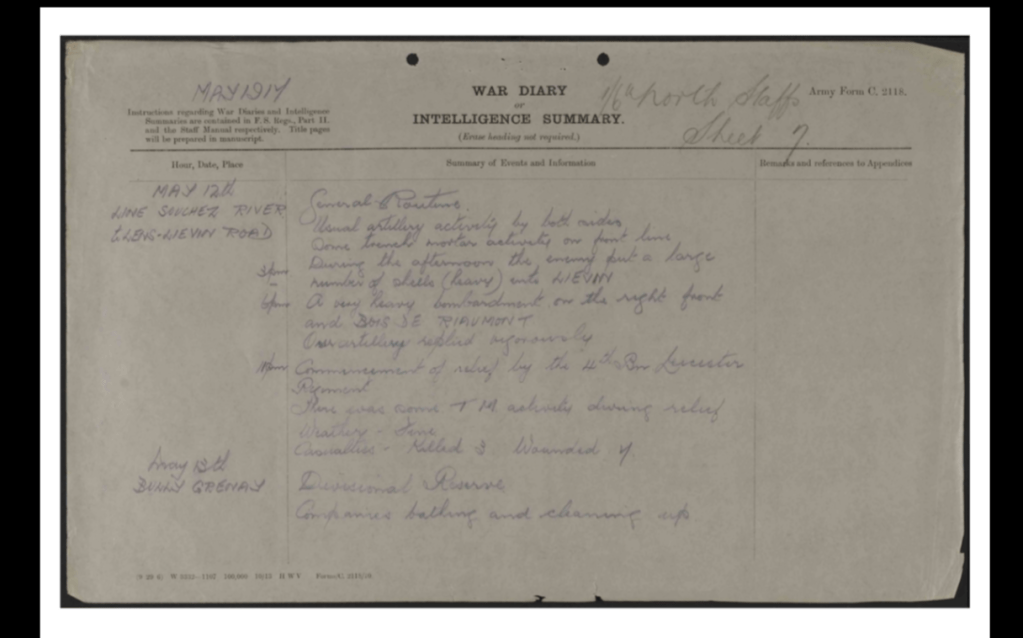
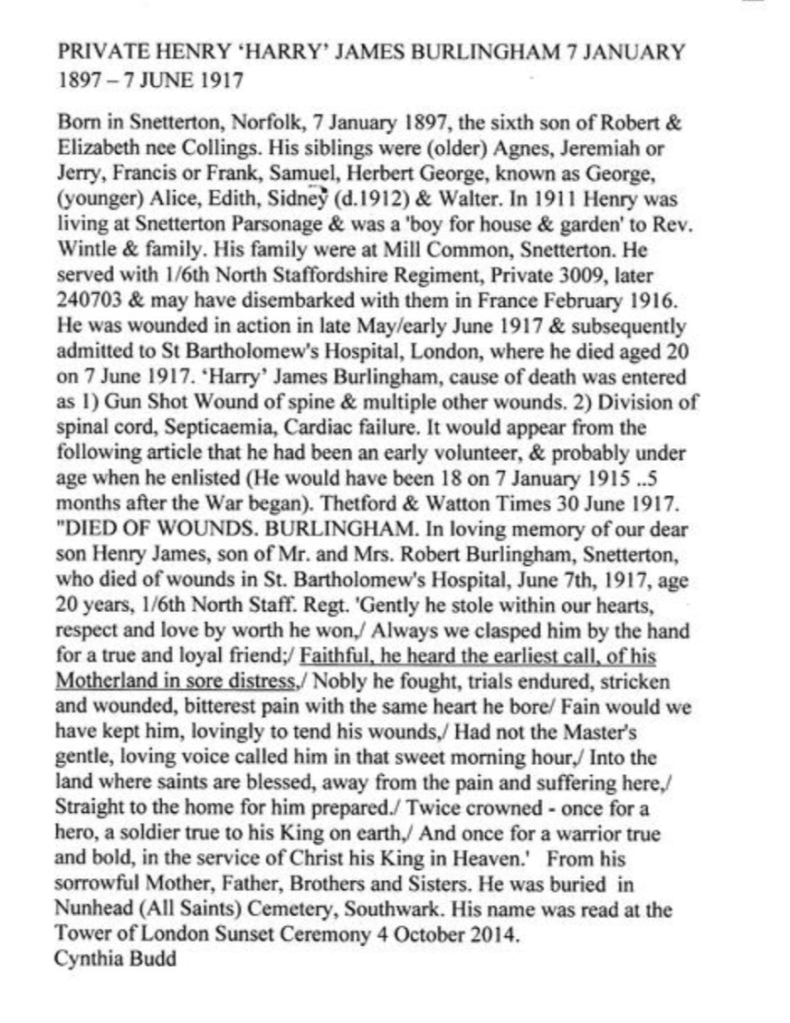
For him to survive a month before succumbing to infection related to severe wounds to his spine is conceivable, considering he had been moved up the casualty chain as far as a hospital in England. Although we have no details of his final journey, a narrative survives thanks to research done in Snetterton.
PostScript
So there we have it, a brisk journey through the military history of uncles and cousins of my great grandfather – again I’ve written it all down so that someone else might be interested, and before we all forget our long lost history. I’m sure there’s much more I could write, especially about Harry.
As always though, there’s a sad postscript or two to the uncovered facts…
Firstly, although buried in England, Harry has an unmarked grave. The soldier’s plots at Nunhead (All Saints) cemetery in Southwark don’t contain individual headstones, so Harry has to be remembered on a memorial plaque along with many others whose final journey ended in hospital from wounds or disease.
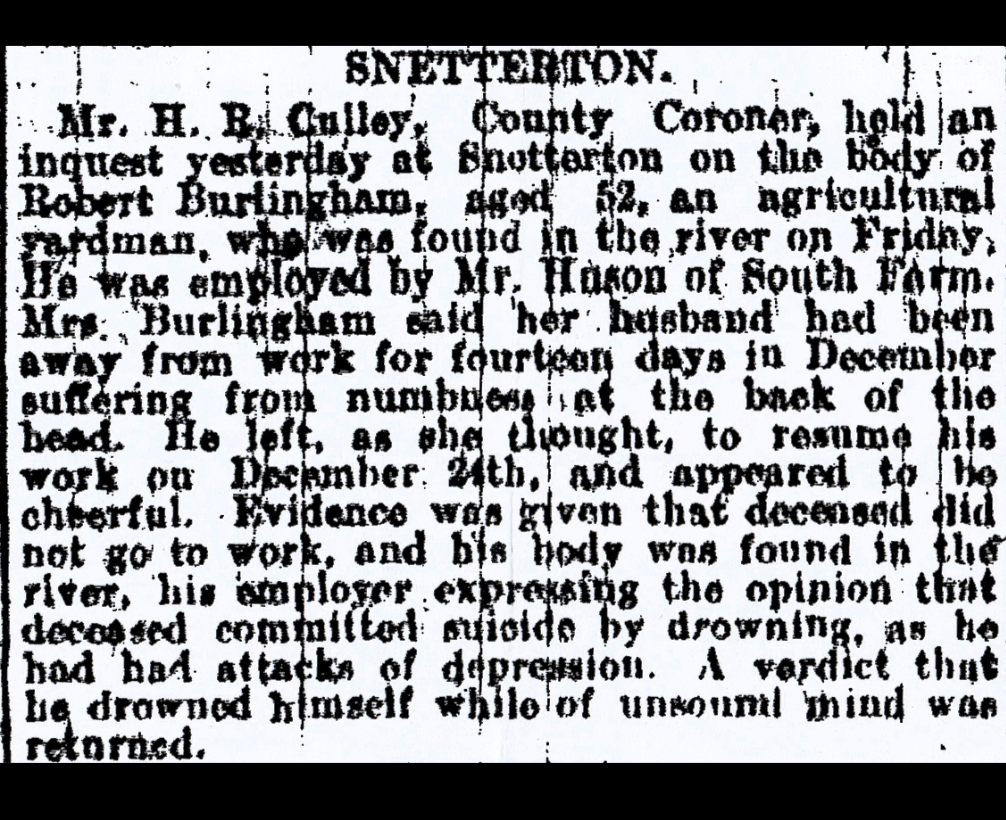
Finally, his father, Robert, seems to have himself become an indirect casualty. With Harry’s death in June, and with a history of depression, I wonder if the loss of a son was a final factor that led to Robert ending his life by drowning on Christmas Eve 1917?
Separated by time, perhaps we are now too far from the facts to ever understand the cost of war on the farming families of Norfolk.


Another fascinating story. Well done Dave.
LikeLiked by 1 person